Source Smart Curtains for Home Office Hotel
Compare 30 Smart Curtains from Guangdong suppliers offering electric control, UV protection, and custom sizes. These motorized options include zebra blinds and cellular shades suitable for homes, offices, hotels, and cafes with fast delivery.
Key considerations
Products List
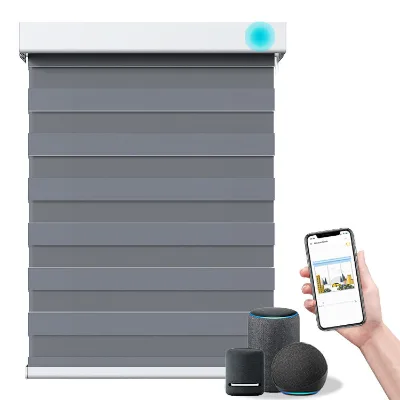
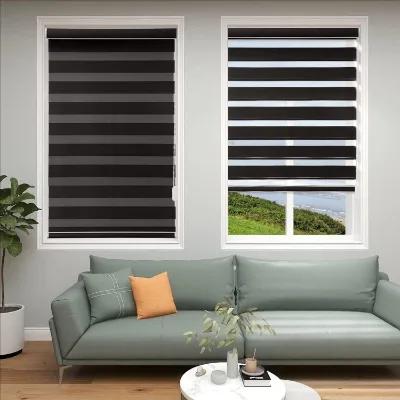
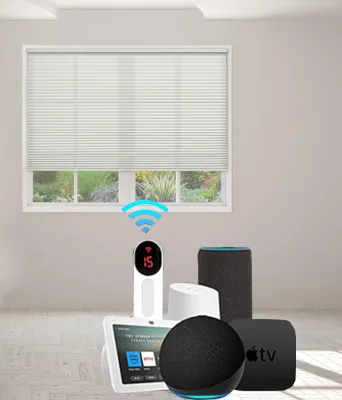
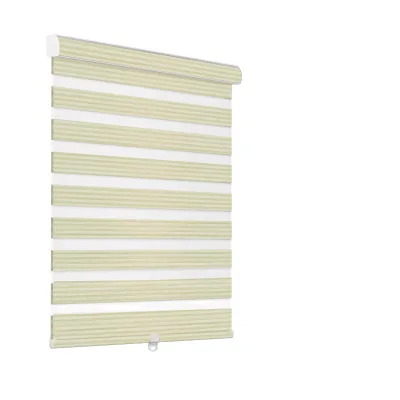
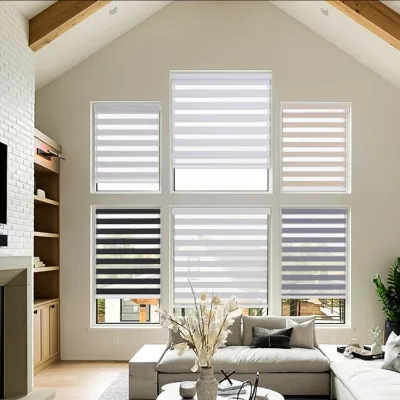
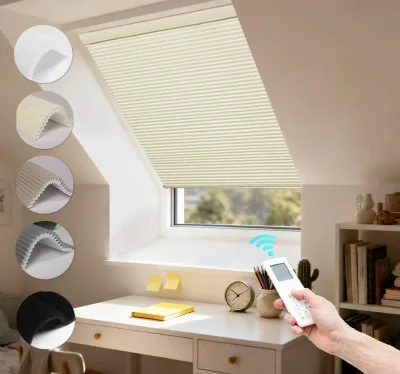


Air Curtain with Remote and Sensor 900mm 1200mm 1500mm 1800mm Automatic Operation
$23.90 - $41.90
MOQ: 100 Pieces


Motorized Electric Remote Control Smart Vertical Dream Blinds
$15.99 - $17.99
MOQ: 1 Square Meters
Shouguang Runchen Environmental Protection Technology Co., Ltd.

Smart Home Window Blinds Zebra Curtain Zebra Blinds
$13.99 - $23.99
MOQ: 1 Square Meters
Shouguang Runchen Environmental Protection Technology Co., Ltd.

Smart Home Window Blinds Zebra Curtains Automatic Blackout Shades
$13.99 - $23.99
MOQ: 1 Square Meters
Shouguang Runchen Environmental Protection Technology Co., Ltd.


Comprehensive Sourcing Guide
Strategic Sourcing Guide for Smart Curtains in the B2B Market
Understanding the Technical Landscape of Motorized Window Treatments
The global demand for Smart Curtains has evolved from a luxury novelty into a standard requirement for modern commercial and residential spaces. When sourcing these products, buyers must first distinguish between the various mechanical and control architectures available in the market. Based on current product observations, the sector is characterized by a mix of electric control systems and diverse mechanical configurations. A primary distinction lies in the operating mechanism; products are frequently categorized by their pattern and structural design, such as "Ladder Rope" systems or "Horizontal" and "Vertical" patterns. The "Ladder Rope" configuration often implies a specific type of corded or cordless lifting mechanism that differs significantly from the continuous fabric movement of cellular or roller systems.
Furthermore, the material composition is a critical technical variable. Sourcing data indicates a prevalence of Polyester fabrics, which offer durability and light-filtering capabilities, alongside structural components made from ABS plastic and various aluminum alloys. The aluminum profiles, specifically noted as "60 Series" and belonging to the "6000 Series" grade, suggest a focus on structural integrity for larger installations. Buyers should verify the specific alloying ingredients and grade certifications, as these directly impact the longevity of the rail systems. The control interface is another pivotal technical aspect; while some units feature "Electric Control Systems," the opening and closing methods vary, with "Lower Open" mechanisms being a documented standard. Additionally, the rail types are not uniform; the market offers both "U-rail" and "I-Rail" options, each suited for different mounting scenarios and aesthetic requirements.
Compliance Verification and Certification Standards
In the B2B procurement of Smart Curtains, particularly those involving electrical components and aluminum extrusions, compliance with international safety and environmental standards is non-negotiable. The supply chain for these products often references specific certifications that serve as indicators of quality and regulatory adherence. While specific product listings may mention certifications such as CE, RoHS, ISO, CIQ, and TUV, buyers must treat these as claims that require independent verification rather than guaranteed attributes of every unit. The presence of "CE" and "RoHS" marks suggests adherence to European safety and environmental directives, but the absence of a specific certification label on a product page does not necessarily imply non-compliance; it may simply indicate that the documentation was not explicitly listed in the initial product description.
When evaluating suppliers, procurement teams should request valid certification documents for the specific batch or model number being purchased. The "6000 Series" aluminum mentioned in product attributes is a standard industrial grade, but the "Alloying Ingredient" and specific processing standards must be confirmed to ensure the material meets the required strength and corrosion resistance for the intended application. For products destined for export to regulated markets, the "CIQ" (China Inspection and Quarantine) mark is often relevant for customs clearance, while "TUV" certification provides an additional layer of safety assurance for electrical components. Buyers should not rely on the mere mention of these standards in a keyword list; instead, they should demand test reports and certificates of conformity that link the specific model number to the certification body. This due diligence is essential to mitigate the risk of non-compliant goods entering the supply chain, which could lead to customs delays or legal liabilities.
Cost Drivers and Pricing Dynamics in the Smart Curtain Sector
The pricing structure for Smart Curtains is influenced by a complex interplay of factors, including material costs, customization levels, and the complexity of the control system. Market observations indicate a wide price range, with units listed between $2.85 and $103 USD. This significant variance is not arbitrary but reflects differences in product specifications, such as the inclusion of motorization, the type of fabric, and the degree of customization. Products labeled with "Customized Color" or "Accept OEM Size" often command higher prices due to the additional manufacturing steps required for bespoke production. Conversely, standard sizes and colors may fall into the lower end of the price spectrum.
The Minimum Order Quantity (MOQ) is another critical cost driver. The observed MOQ range spans from 1 to 1000 units, offering flexibility for different buyer profiles. Small order quantities, often accepted as "Single item" or "Small Orders," allow for sampling and low-risk market entry but may carry a higher unit cost. Larger orders, potentially up to 1000 units, typically benefit from economies of scale, reducing the per-unit price. However, buyers must also consider the "Single gross weight" and "Single package size" (noted as 50x50x50 cm) when calculating total landed costs. Heavier items with larger packaging dimensions will incur higher shipping fees, which can significantly impact the overall cost of goods sold, especially for international procurement. The "fast delivery" and "fast shipping" advantages mentioned in product attributes may come at a premium, so buyers should weigh the urgency of their project against the potential cost savings of standard shipping timelines.
Typical Applications and Functional Requirements
Smart Curtains are designed to serve a diverse array of environments, each with unique functional requirements. The observed "Application" and "Usage" fields highlight a broad spectrum of potential deployments, including "Home," "Hotel," "Hospital," "Cafe," and "Office." In residential settings, the focus is often on aesthetics and convenience, with "Modern" and "Contemporary" design styles being prevalent. Commercial applications, such as hotels and offices, prioritize durability, light control, and integration with building management systems. The "Light control" capabilities vary significantly, ranging from "light filtering" to "blackOut" options, allowing buyers to select products that meet the specific privacy and illumination needs of the space.
The "Applicable Window Type" is another crucial consideration for successful deployment. The market supports a wide variety of window geometries, including "Flat window," "French window," "Curve window," and "Octagonal window." This versatility is essential for architects and interior designers working on complex projects. The installation type also varies; while some products are designed for "Exterior Installation," others are intended for "Side installation" or interior mounting. The "Pattern" of the curtains, whether "Vertical" or "Horizontal," also influences the aesthetic outcome and the functional performance in different room orientations. For instance, vertical patterns may be preferred for high-ceilinged spaces, while horizontal patterns might be chosen for standard residential windows. Understanding these application-specific nuances ensures that the selected Smart Curtains not only look appropriate but also perform effectively in their intended environment.
Supplier Evaluation and Quality Assurance Protocols
Evaluating suppliers in the smart curtain market requires a rigorous approach that goes beyond surface-level product descriptions. Buyers should prioritize suppliers who demonstrate transparency regarding their manufacturing processes and quality control measures. The "Place of Origin" for many of these products is identified as "Guangdong, China," a region known for its manufacturing capabilities. However, the geographic location alone does not guarantee quality. Buyers must assess the supplier's ability to handle "Customization" requests, as the "is_customized" attribute is frequently marked as "Yes." This indicates that the supply chain must be flexible enough to accommodate specific design and size requirements without compromising on quality.
Quality assurance should be a central component of the supplier evaluation process. Buyers should inquire about the testing procedures for the electrical components, particularly the "Electric Control System" and the "Motorized" mechanisms. The "Feature" of "UV Protection" is a common claim, but it should be verified through independent testing to ensure the fabric effectively blocks harmful rays. Additionally, the structural integrity of the aluminum profiles and the durability of the "Ladder Rope" or "Cord Weight" mechanisms should be assessed. Suppliers who provide detailed specifications for the "Single package size" and "Single gross weight" demonstrate a level of professionalism in their logistics and packaging, which is indicative of a reliable partner. Buyers should also look for evidence of "High Quality" claims being backed by tangible metrics or customer testimonials, rather than relying solely on marketing language.
Long-Term Procurement Considerations and Strategic Sourcing
Sourcing Smart Curtains is not merely a transactional activity but a strategic decision that impacts the long-term operational efficiency and aesthetic consistency of a project. Buyers should consider the lifecycle of the product, including maintenance requirements and the availability of replacement parts. The "Model Number" variations, such as "Sky-1-#4955" and "Sky-1-#1782," suggest that different models may have distinct component compatibility. Ensuring that the supplier can provide ongoing support and spare parts is crucial for maintaining the functionality of the installed systems. The "Keyword" of "Smart Curtains" implies a level of technological integration that may require firmware updates or software compatibility checks over time.
Furthermore, the "Advantage" of "factory direct" pricing can be a significant benefit for long-term procurement, as it reduces the number of intermediaries and potentially lowers costs. However, buyers must balance this with the need for reliable after-sales service. The "occasion" of "New Year" mentioned in some product attributes suggests that these products may be subject to seasonal demand fluctuations, which could impact lead times and availability. Buyers should plan their procurement cycles accordingly to avoid delays. Finally, the "Customization" aspect allows for brand alignment and specific design requirements, but it also introduces complexity into the supply chain. Establishing clear communication channels and detailed specifications with the supplier is essential to ensure that the final product meets the exact expectations of the end-user. By focusing on these long-term factors, buyers can secure a sustainable supply of high-quality Smart Curtains that deliver value over the lifespan of the installation.
FAQs
How are Smart Curtains installed in different window types?
Smart Curtains support exterior or side installation for flat, French, curve, and octagonal windows. The specific method depends on the window geometry and the selected rail type, such as U-rail or I-rail, to ensure proper fit and operation.
What material options are available for smart curtain fabrics?
Fabrics are primarily made from polyester, which offers durability and light filtering capabilities. Some structural components utilize ABS plastic or 6000 series aluminum alloys for the rail systems to ensure structural integrity and long-term performance.
Can buyers order customized sizes and colors for these products?
Yes, customization is available for both size and color to meet specific project requirements. Buyers can request OEM sizes and customized colors, with the system accepting various design styles like modern or contemporary to match interior aesthetics.
Which certifications should be verified for electrical components?
Buyers should verify certifications such as CE, RoHS, ISO, CIQ, and TUV for electrical and aluminum components. These marks indicate adherence to safety and environmental standards, but valid documents must be requested for specific batches to ensure compliance.
How does the minimum order quantity affect pricing for Smart Curtains?
Minimum order quantities range from one to one thousand units, influencing the per-unit cost significantly. Smaller orders allow for sampling but may carry higher costs, while larger orders benefit from economies of scale and potentially lower prices.
What light control features do these motorized curtains offer?
These curtains provide light filtering or blackout options depending on the specific model and fabric selection. The choice between light filtering and blackout capabilities allows buyers to tailor the product to the privacy and illumination needs of the space.